
What to Eat in Typhoid for Fast Recovery
Recovering from typhoid? Discover the best foods to eat for fast recovery, a simple diet chart, and what to avoid to heal your gut quickly.
S.S Jana
Author
Recovering from typhoid is like healing a bruised engine—you cannot just pour any fuel into it and expect it to run. Your digestive system is weak, inflamed, and tired. The right food acts as medicine, while the wrong food can act like poison, making the infection stay longer.
This detailed guide will walk you through exactly what to eat, what to avoid, and how to structure your day to get back on your feet fast. We will keep it simple, easy to understand, and strictly focused on getting your strength back.
Why Your Diet Matters More Than Medicine
When you have typhoid (enteric fever), the Salmonella typhi bacteria attacks your intestines. This causes high fever, severe weakness, and often stomach pain or diarrhea. Because your gut is the battlefield, it cannot digest complex foods.
If you eat heavy, spicy, or fibrous food, your stomach has to work overtime. This drains energy that your body should be using to fight the fever. The goal of this diet is simple: Give maximum nutrition with minimum effort for your stomach.
The 3 Golden Rules of a Typhoid Diet
Before we look at specific foods, memorize these three simple rules. If a food breaks these rules, do not eat it.
1. Hydration is King (The Water Rule)
Typhoid causes high fever and diarrhea, which squeezes water out of your body. You need to replace this immediately. A dehydrated body cannot heal.
Goal: Drink at least 3-4 liters of fluids daily.
Why: It flushes out toxins and keeps your temperature down.
2. High Calorie, High Protein (The Energy Rule)
Your metabolic rate goes up when you have a fever (your body burns more energy just sitting still). You lose weight rapidly.
Goal: Eat calorie-dense foods that are small in volume but big on energy.
Why: To prevent muscle loss and weakness.
3. Low Fiber, No Spice (The Comfort Rule)
Fiber acts like a scrub brush in your gut. Normally, this is good. But when your intestines are inflamed (swollen and red inside), a scrub brush hurts.
Goal: Eat "bland" foods. No chilies, no whole grains, no raw salads.
Why: To rest the gut so it can heal the ulcers caused by the bacteria.
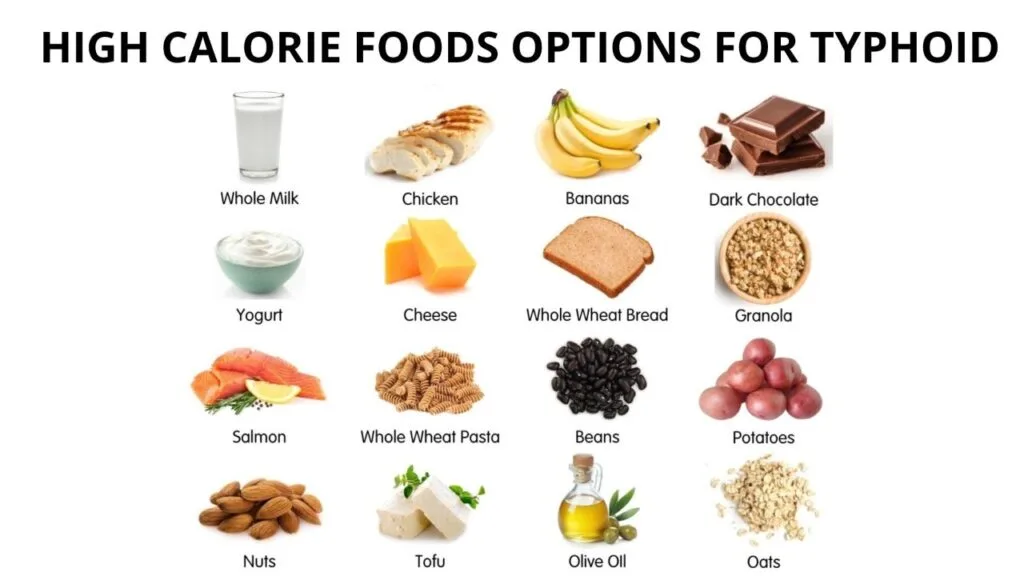
What to Eat (Green Zone)
Think of your stomach like a baby’s stomach right now. You want soft, mushy, and simple foods.
1. The Best Fluids (Drink These All Day)
Coconut Water: This is nature's saline drip. It is packed with electrolytes (potassium and sodium) that you lose during fever. It is much better than plain water.
Barley Water / Rice Water (Kanji): Boil rice or barley until it is very soft, strain the water, add a pinch of salt/sugar. This is excellent for energy and settling an upset stomach.
ORS (Oral Rehydration Solution): If you have loose motions, sip this throughout the day.
Fresh Fruit Juice (Strained): Watermelon, sweet lime (mosambi), or pomegranate. Important: Strain the pulp (fiber) out. Avoid sour citrus if it causes acidity.
Buttermilk (Chaas): A glass of fresh, sweet buttermilk (not sour) helps balance the gut bacteria.
2. Carbohydrates (Your Main Energy Source)
White Rice: Forget brown rice for now. White rice is stripped of fiber and is the easiest grain to digest. Cook it extra soft ("mushy").
Mashed Potatoes: Boil potatoes and mash them well. They provide instant energy and potassium. You can add a tiny bit of butter for calories.
Porridge (Dalia) & Semolina (Suji): Wheat porridge (daliya) cooked very watery, or semolina (suji) kheer/upma. These are light on the stomach but filling.
Toast: White bread toasted lightly is easy to digest. Avoid whole wheat or multigrain bread.
3. Proteins (Building Blocks for Repair)
Moong Dal (Yellow Lentils): This is the holy grail of Indian recovery food. It is the lightest lentil. Eat it as a thin soup or mixed with rice (Khichdi).
Eggs: Boiled or scrambled eggs are great. The yolk gives vitamins, and the white gives protein. Avoid frying them in oil.
Yogurt / Curd: This is a "superfood" for typhoid. It contains probiotics (good bacteria) that help fight the bad bacteria in your gut. Eat it plain or with rice.
Chicken/Fish (Later Stage): Once you start feeling better, you can have boiled chicken or steamed fish. No skin, no frying, no spices. Just salt and mild herbs.
4. Fruits and Vegetables (Cooked Only)
Bananas: The best fruit for recovery. It binds the stool (helps with diarrhea) and gives high energy.
Stewed Apples: Peel an apple, chop it, and boil it with a little water and cinnamon until soft. Raw apples might be too hard to digest, but cooked apples are perfect.
Boiled Carrots & Pumpkin: These are soft, sweet, and packed with Vitamin A for immunity.
Spinach (Soup only): Do not eat raw leaves. Boil spinach and blend it into a soup.

The Danger Zone: What to Avoid (Red Light)
Eating these foods can trigger vomiting, diarrhea, or severe stomach pain. Stay away from them until you are 100% recovered.
1. High Fiber Foods
Why avoid: Fiber increases the bulk of your stool and "scrapes" the intestinal walls.
List: Whole wheat roti (chapati), brown rice, oats with husk, raw salads (cucumber, tomato, lettuce), corn, cabbage, cauliflower, and broccoli. These produce gas and bloating.
2. Spicy and Oily Foods
Why avoid: Spices (chili powder, garam masala, hot pepper) irritate the stomach lining. Oil slows down digestion, making you feel heavy and nauseous.
List: Samosas, chips, pakoras, spicy curries, pickles (achar), heavy cream sauces, butter chicken.
3. Raw Vegetables and Fruits with Skins
Why avoid: Raw foods may carry bacteria (if not washed perfectly) which is dangerous when you already have an infection. Skins are pure fiber.
List: Unpeeled apples, pears, berries (seeds are hard to digest), raw onion, raw garlic.
4. Gas-Forming Foods
Why avoid: Bloating pushes against your inflamed organs and causes pain.
List: Chickpeas (chole), kidney beans (rajma), cauliflower, jackfruit.

A Sample "Fast Recovery" Daily Menu
Here is a simple plan you can follow. It focuses on small, frequent meals (every 3-4 hours) rather than 3 big meals.
Time of Day | Meal Suggestion | Why does this work? |
Early Morning | 1 glass warm water + 5 soaked almonds (peeled) | Starts hydration; almonds give healthy fats. |
Breakfast | Bowl of soft porridge (Dalia/Suji) OR 2 slices white toast + 1 boiled egg | Easy carbs for morning energy; egg for protein. |
Mid-Morning | 1 glass Coconut water OR Fresh fruit juice (strained) | Electrolyte refill. |
Lunch | Soft Khichdi (Moong dal + Rice) + Bowl of Curd | The perfect combo of protein, carbs, and probiotics. |
Evening Snack | Mashed Potato with pinch of salt OR Stewed Apple | High calorie booster. |
Dinner | Vegetable Soup (strained) + 1 soft Idli OR Very soft white rice | Very light meal to ensure good sleep without indigestion. |
Before Bed | 1/2 cup warm milk (if tolerated) | Helps you sleep and provides calcium. |
Important Tips for Preparation
Cook Everything Thoroughly: Overcook your rice and lentils. They should be mushy, almost like a paste. The less chewing you have to do, the less work your stomach has to do.
Sanitation is Critical: Typhoid is water-borne.
Boil your drinking water for at least 5-10 minutes.
Wash fruits/veggies with boiled water, not tap water.
Wash your hands with soap before eating.
Gradual Return to Normal: Do not jump back to pizza and burgers the day your fever stops. Your gut is still weak. Follow this soft diet for at least 1 week after recovery to prevent a relapse.
Conclusion
Recovering from typhoid is a slow process, but food is your accelerator. If you stick to bland, soft, and fluid-rich foods, your body will repair itself much faster. Treat your stomach with kindness—feed it soup, soft rice, and yogurt—and it will reward you with strength.
Disclaimer: This blog is for informational purposes. Always follow the specific advice and medication prescribed by your doctor.
Tags:
Written by S.S Jana
Passionate about sharing knowledge and creating valuable content for readers.