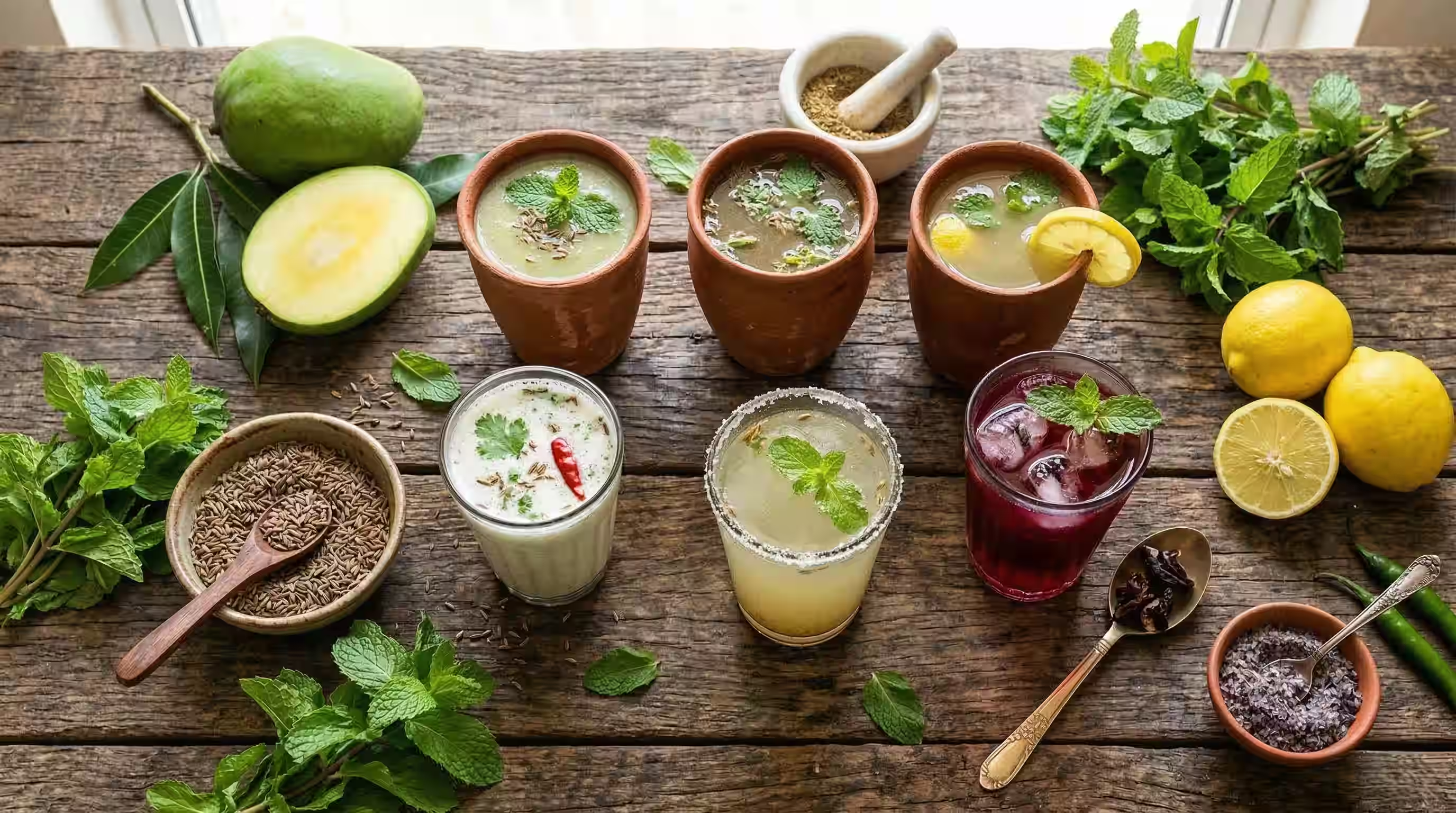
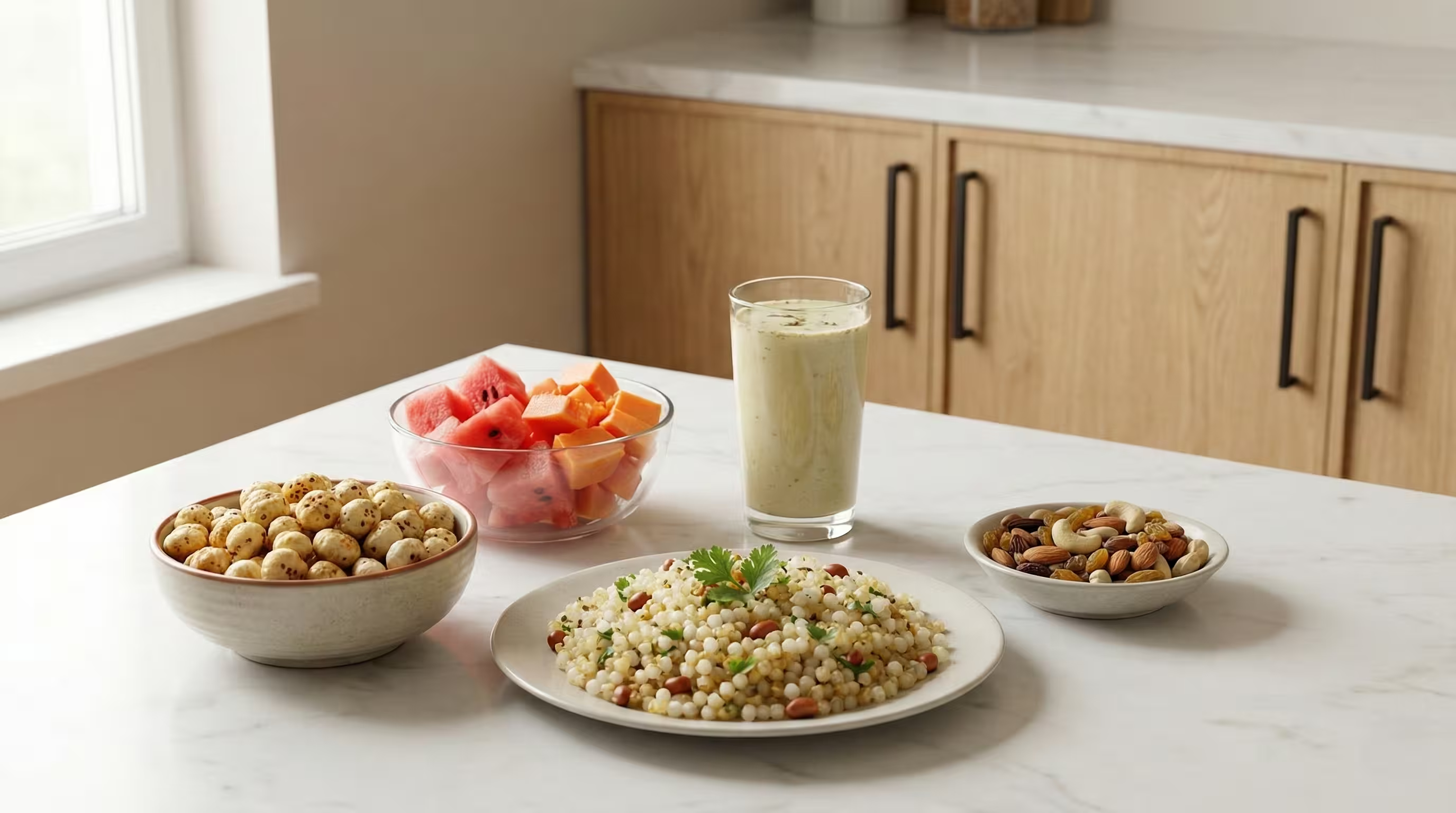
Which food is good for jaundice patient
What to eat in jaundice for fast recovery? Get 15+ safe foods, 24-hr meal plan & foods to avoid. Your liver will thank youβstart healing now!
S.S Jana
Author
βΆ What Exactly Is Jaundice? Let's Keep It Simple β βΆ Why Is Diet So Important When You Have Jaundice? β βΆ Best Foods for Jaundice Patient-What You Should Eat for Recovery β βΆ What Should You Absolutely Avoid? Foods That Will Slow Your Recovery β βΆ Your Daily Meal Plan for Jaundice Recovery: A Sample Day β βΆ Timeline: How Your Diet Changes as You Recover β βΆ Traditional Home Remedies That Really Work β βΆ Tips for Eating When You Have Jaundice β βΆ How Much Nutrition and Liver Regeneration Support Your Recovery β βΆ When to Call Your Doctor β βΆ Recovery After Jaundice β Can It Come Back? β βΆ Final Thoughts: You're Going to Get Better! β
When someone in your family gets jaundice, the first question everyone asks is: "What should they eat?" This is actually a really smart question because what a jaundice patient eats can make a huge difference in how quickly they recover. Think of it like this β when your liver is weak and struggling, you need to give it easy-to-digest foods that will help it heal, not make it work harder. In this blog, we'll talk about exactly what to eat in jaundice for fast recovery and which foods you should completely avoid. Everything is explained in simple, everyday language that anyone can understand.
What Exactly Is Jaundice? Let's Keep It Simple
Before we talk about food, let's quickly understand what jaundice really is. Your liver is like a cleaning factory in your body. Every day, it cleans your blood by removing old, broken red blood cells and other waste materials. When red blood cells get old (usually after about 120 days), they break down naturally.
When this happens, your body creates something called bilirubin, which is a yellow chemical. Normally, your healthy liver catches this bilirubin and sends it out of your body through your stool and urine. But when your liver gets sick or tired β maybe because of an infection like hepatitis, a virus, or other health problems β it can't process all this bilirubin quickly enough.
So what happens? The bilirubin keeps building up in your blood and starts leaking into your skin and eyes. This is why people with jaundice turn yellow! Their skin, eyes, and even the whites of their eyes become yellow or greenish. Along with the yellow color, people with jaundice often feel very tired, their urine becomes dark like tea, and their stool becomes pale.
Now here's the important part: the food you eat can either help your liver heal or make it work even harder. That's why choosing the right foods is so crucial during this time.

Why Is Diet So Important When You Have Jaundice?
Your liver is an amazing organ, but when it's damaged, it needs help to recover. Think of your liver like a worker who is sick and needs to rest. You wouldn't give a sick worker heavy, difficult tasks, right? The same goes for your liver!
When your liver is dealing with jaundice, several important things happen:
Your liver is struggling to clean toxins from your blood. Normally, this is easy for a healthy liver. But when the liver is damaged, it needs all the help it can get. If you eat heavy, fatty foods, your liver has to work even harder to process them, which slows down your recovery.
Your digestive system becomes sensitive. When your liver isn't working properly, your whole digestive system suffers. You might feel nauseous, lose your appetite, or feel uncomfortable after eating. This is why light, easy-to-digest foods are so important.
Your body is losing important nutrients. Jaundice makes you weak because your body isn't getting the nutrients it needs. Good nutrition helps you rebuild strength and helps your liver regenerate new, healthy cells.
You're losing more water than usual. People with jaundice often need to flush toxins out of their body, so they need to drink much more water. Dehydration actually makes jaundice worse, so staying hydrated is critical.
By eating the right foods, you're doing three important things: first, you're helping your liver not work so hard; second, you're getting the nutrients your body desperately needs; and third, you're supporting your body's natural healing process. Let's talk about exactly which foods do this.

Best Foods for Jaundice Patient-What You Should Eat for Recovery
Now let's get to the exciting part β the foods that will actually help you get better! These are foods that are gentle on your liver, easy to digest, and packed with nutrients that help your body heal.
Fresh Fruits β Nature's Healing Medicine
Fresh fruits are absolutely wonderful for people with jaundice. Why? Because they're full of something called antioxidants, which are like tiny protectors for your cells. They also have lots of vitamins and minerals that your body needs to heal.
Papaya is probably the single best fruit for jaundice patients. If your doctor says you can eat it, make papaya your friend! Papaya has special enzymes that help your digestive system work better, and it actually reduces swelling in your liver. You can eat it raw, or if your stomach is very sensitive, you can make it into a smoothie with a little milk.
Watermelon is perfect because it's full of water (over 90% water!) and it's very gentle on your stomach. It helps keep you hydrated without making your digestive system work hard. Plus, it's naturally sweet, so if you're craving something sweet, watermelon is perfect.
Pomegranate is like a little jewel of nutrients. It's full of antioxidants that specifically help your liver. If you can eat the seeds, great! If not, fresh pomegranate juice (without added sugar) is wonderful too.
Bananas are excellent because they have something called fiber that helps your digestive system work properly. They're easy to eat, taste good, and your body can digest them easily. They also have potassium, which helps your body stay balanced.
Berries β whether they're blueberries, strawberries, or blackberries β are absolutely packed with antioxidants. These are like superfoods for your liver! Try to eat them fresh, not in juice form, because the fiber in whole berries is really helpful.
Apples (peeled and boiled if your stomach is very sensitive) are wonderful because they're gentle and have good fiber content. An old saying in India is "An apple a day keeps the doctor away," and for jaundice patients, this is definitely true!
One important note: Avoid citrus fruits like oranges, lemons, and grapefruits during the first few weeks of jaundice. Why? Because they're quite acidic, and your sensitive digestive system might find them irritating. Once you start feeling better, you can slowly add them back.

Vegetables β The Healing Green Power
Fresh vegetables are absolutely essential for anyone with jaundice. They're like giving your body a blood transfusion of healing power!
Leafy greens like spinach, kale, and lettuce are incredible. They're full of iron, which your body needs to make new blood. They're also full of something called chlorophyll, which helps your liver detoxify. But here's the key: steam them lightly or make them into soup. Don't eat raw salads because your digestive system might find them hard to process.
Carrots are wonderful β and guess what? When you're recovering from jaundice, your body needs the nutrients in carrots! Carrots are full of beta-carotene, which becomes vitamin A in your body, and this vitamin is fantastic for liver health. You can eat them cooked, boiled, or even as a fresh juice if your stomach can handle it. Many traditional Indian jaundice remedies actually include carrot juice, and modern science says these traditional remedies were right!
Beetroot is like a natural liver cleanser. It helps your liver push out toxins and improves something called bile flow, which is the liquid your liver makes to help digest food. You can boil beetroot, make it into soup, or have fresh beetroot juice. This is actually a famous home remedy for jaundice, and it really works!
Pumpkin is so gentle on your stomach and full of good nutrients. It's perfect in soup form β warm pumpkin soup is like giving your liver a gentle hug.
Bottle gourd (also called lauki) is used in many traditional Indian remedies for jaundice, and it's perfect! It's very light, very easy to digest, and it's cooling for your body. Make it into a light curry or soup with minimal oil.
Tomatoes have something called lycopene, which is a special antioxidant that loves to protect your liver. Ripe, cooked tomatoes are better than raw ones when your stomach is sensitive.
Broccoli and cauliflower might seem hard to digest, but when cooked well and eaten in small amounts, they're actually wonderful. They have special compounds that help your liver do its job better.

Whole Grains β Gentle Energy for Your Body
Your body needs energy to heal, and whole grains provide this energy in a way that's gentle on your damaged liver.
Brown rice is so much better than white rice for jaundice patients. It has more fiber, which helps your digestive system work properly and helps move toxins out of your body.
Oats are gentle, warm, and comforting. A bowl of oatmeal with honey is perfect for breakfast when you have jaundice. The fiber in oats helps your body process the waste better.
Whole wheat bread should replace white bread. The extra fiber is really important for your recovery.
Moong dal khichdi β if you're Indian, you probably already know about this! Moong dal khichdi is basically the perfect food for jaundice recovery. It's rice and moong dal cooked together with minimal spices. It's soft, easy to digest, and it has exactly the right balance of carbohydrates and protein. This is traditional wisdom that's been used in Indian families for hundreds of years, and it actually works!
Barley is another wonderful whole grain. Barley soup is warming, healing, and full of fiber that helps your liver process waste.
Lean Proteins β Building Blocks for Healing
Your body needs protein to rebuild and repair damage, but not all proteins are created equal when you have jaundice. You need lean, easy-to-digest proteins.
Lentils and pulses (like moong dal, masoor dal, and chana dal) are perfect because they have protein but much less fat than meat. They're also full of fiber, which helps with digestion.
Tofu is wonderful if you can tolerate it. It's a complete protein, meaning it has all the amino acids your body needs, but it's very light and easy to digest.
Boiled or soft-cooked eggs β specifically the egg whites β are good because they have protein without much fat. The yolk is okay in small amounts once you start feeling better.
Skinless chicken can be reintroduced once you're in the recovery phase, but it should be boiled or lightly steamed, never fried. Make sure it's not spicy.
Fish like tilapia or other white fish (not oily fish initially) is good because it has lean protein and omega-3 fatty acids that reduce inflammation in your liver.
Cottage cheese or paneer β but only the low-fat versions. Regular paneer is too heavy initially, but low-fat paneer in small amounts is okay.

One thing to remember: your body might not be able to process large amounts of protein when you're very sick with jaundice. Start small and gradually add more as you feel better.
Hydrating Fluids β The Most Important Thing
Drinking enough fluid is absolutely critical β maybe even more important than food! Your body needs to flush out toxins, and only water can do that properly.
Coconut water is like nature's perfect recovery drink. It has electrolytes (natural salts), it's hydrating, and it's so gentle on your stomach. Tender coconut water is best.
Lemon water with a pinch of salt and a little sugar β This is a traditional Indian remedy that actually works beautifully. The lemon has vitamin C which helps your immune system, and the salt and sugar help your body absorb the water better.
Plain, clean water β Drink lots of it! Your liver needs water to flush out bilirubin. Most doctors recommend at least 8-10 glasses per day, but if your doctor says you can have more, do it.
Herbal teas like ginger tea, turmeric milk (with a pinch of black pepper), or chamomile tea are wonderful. Turmeric is especially famous for liver health. But avoid regular black tea and coffee, as they can be too stimulating for your sick body.
Fresh vegetable juices β if your stomach can handle them β like carrot juice, beetroot juice, or a mix of both, are excellent. But drink them fresh, not from a bottle.
Barley water is a traditional remedy. Simply boil barley in water, let it cool, and drink it. It's refreshing and healing.

Avoid sugary drinks, cola, processed juices, and anything artificial. These will only make your liver work harder.
Healthy Fats β Yes, You Need Some!
Many people think all fat is bad, but that's not true! Your liver needs some good fats to heal properly. The key is choosing the right kinds.
Olive oil β just a little bit, used for light cooking or in salads β is wonderful. It has something called polyphenols that protect your liver.
Nuts and seeds like almonds, walnuts, flaxseeds, and chia seeds β eaten in small amounts (maybe a handful per day) β are full of good fats, antioxidants, and fiber. But remember: eat them in moderation, not in large quantities.
Avocado β If you can tolerate it, a small amount of avocado is good because it has monounsaturated fats, which are the healthy kind.
But here's the important rule: In the first few weeks of jaundice, when your liver is very damaged, avoid all these fat sources. Start eating small amounts only when your symptoms start improving.
What Should You Absolutely Avoid? Foods That Will Slow Your Recovery
Just as important as knowing what to eat is knowing what NOT to eat. These foods will make your liver work harder and slow down your recovery, so it's critical to avoid them completely while you have jaundice.
Fried and Fatty Foods β Your Enemy During Jaundice
Your poor, tired liver cannot process fat properly when it's dealing with jaundice. Eating fried and fatty foods is like asking a sick person to run a marathon! It's just too much work.
Avoid all fried foods completely β no fried chicken, no samosas, no chips, no fried snacks of any kind. These are all processed through your liver, and your liver simply cannot handle them right now.
Avoid fatty meats like red meat, mutton, or pork. These have saturated fat that's especially hard for a damaged liver to process.
Avoid processed foods like packaged snacks, biscuits, noodles, and instant foods. These all contain hidden fats, salt, and chemicals that stress your liver.
Avoid oil and ghee in large quantities. Meals should be cooked with minimal oil β just a teaspoon for an entire meal.
Sugar and Sweet Foods β Making Your Liver Work Too Hard
When your liver is damaged, it can't handle excess sugar well. Too much sugar gets stored as fat in the liver, making everything worse.
Avoid soft drinks and sugary drinks completely. These are terrible for someone with jaundice. The sugar and chemicals in them are exactly what your liver can't handle.
Avoid sweets, pastries, cakes, and biscuits. These are all high in sugar and fat, which is a bad combination for your recovering liver.
Avoid chocolate, ice cream, and candy. I know it's hard to give these up, but trust me β it's worth it for faster recovery.
Avoid refined sugar in general. If you want something sweet, use a little honey instead, or eat fresh fruit.
Avoid sugary breakfast cereals. These are full of refined sugar and often have unhealthy fats too.
Alcohol β Absolutely Forbidden
This one is simple: no alcohol whatsoever. Not even a little bit. Not beer, not wine, not anything. Alcohol is literally toxic to your liver, and when your liver is already damaged, alcohol could cause serious, permanent damage. Alcohol makes jaundice worse, increases inflammation in your liver, and slows down your recovery. This is not optional β alcohol must be completely avoided.
Spicy Foods and Heavy Spices
Many Indian dishes are spicy, and I love spicy food too, but when you have jaundice, your digestive system is super sensitive.
Avoid chili peppers, hot spices, and heavily spiced foods. These irritate your digestive system and make your liver work harder to process them.
Avoid strong spices like excessive black pepper, cinnamon, or clove in large quantities. A tiny bit is okay, but nothing major.
Go for mild flavors using gentle spices like a tiny bit of turmeric, a pinch of cumin, or fresh coriander leaves. These are actually healing!
Salt and Pickled Foods
When you have jaundice, your body retains water already, and eating too much salt makes this worse.
Avoid pickles and pickled foods. These are high in salt and preservatives, both of which stress your liver.
Avoid canned foods high in sodium. If you must eat canned food, rinse it well to remove excess salt.
Avoid processed foods with hidden salt. Things like bread, sauces, and prepared foods often have tons of salt you don't even know about.
Use herbs instead of salt to flavor your food. Fresh coriander, mint, and a tiny bit of lemon juice can make food taste good without all that salt.
Caffeine β Make Your Body Calm, Not Hyper
When your body is healing, it needs to be calm, not stimulated.
Avoid coffee and strong tea. The caffeine can cause dehydration, and your body is already struggling with dehydration.
Avoid energy drinks completely. These are terrible for someone with jaundice.
Choose herbal teas instead. Gentle teas like chamomile, ginger, or turmeric milk are much better.
Raw and Undercooked Foods
When your immune system is weak from jaundice, raw foods can make you sick.
Avoid raw salads. Cook your vegetables instead.
Avoid raw fish, raw eggs, and undercooked meat. These could carry bacteria that make you even sicker.
Make sure all food is properly cooked. Well-cooked food is easier to digest and safer for your weak immune system.
Packaged and Processed Foods
Avoid anything in a package β processed snacks, instant noodles, canned foods (unless rinsed), frozen dinners, and fast food. These all have chemicals, preservatives, and additives that your weak liver cannot handle.
Shop at fresh markets instead. Buy fresh fruits, fresh vegetables, and fresh rice and lentils from local markets. This is the healthiest option.
Your Daily Meal Plan for Jaundice Recovery: A Sample Day
Okay, let's put this all together with a real example of what you could eat in a day when you have jaundice. Remember, everyone is different, so talk to your doctor before making big changes!

Early Morning (6:00 AM)
Start your day with a big glass of warm lemon water with a tiny pinch of salt and a little sugar or honey. This wakes up your digestive system gently and starts your day with hydration.
Breakfast (8:00 AM)
Have one of these options (choose what feels right for your stomach):
A warm bowl of oatmeal with honey and mashed banana
Boiled rice with a tiny bit of ghee and salt
Moong dal khichdi with a pinch of turmeric
A soft-cooked egg with whole wheat toast
Rice porridge with a vegetable broth
Mid-Morning Snack (10:30 AM)
Have some hydrating food or drink:
Fresh papaya or watermelon
A glass of fresh coconut water
A handful of soaked almonds
Carrot and cucumber sticks
Apple slices
Lunch (1:00 PM)
This is your main meal. Have something light but nutritious:
Brown rice with moong dal (both cooked soft)
Steamed spinach or bottle gourd on the side
A small bowl of plain, unsweetened yogurt
OR: Rice with lightly cooked carrots and beetroot
OR: Barley with lentil soup
Afternoon Snack (4:00 PM)
Something light and hydrating:
Fresh fruit (papaya, watermelon, or berries)
A cup of herbal tea (ginger or turmeric tea)
Vegetable soup
Plain boiled sweet potato
Dinner (7:00 PM)
Similar to lunch but a little lighter:
Moong dal khichdi with bottle gourd
OR: Brown rice with light lentil soup
OR: Boiled fish (if you're recovering well) with boiled vegetables
OR: Tofu curry (very mild) with brown rice
Before Bed (9:00 PM)
A warm glass of turmeric milk or chamomile tea to help you sleep and support healing.
Throughout the day: Drink plenty of water β at least 8-10 glasses. You can have warm water, room temperature water, or lemon water.
Timeline: How Your Diet Changes as You Recover
Your diet for jaundice recovery isn't one-size-fits-all β it changes as you get better! Here's roughly how it progresses:

Week 1: Very Early Stage
When symptoms are very bad, you might not be hungry at all. Focus on:
- Staying hydrated (water, coconut water, lemon water)
- Light juices if you can tolerate them
- Maybe very small amounts of boiled rice or khichdi
- Rest is more important than eating right now
Weeks 2-3: Early Recovery
As you start to feel slightly better and your appetite returns:
- Start including more solid foods
- Lots of fresh fruits, especially papaya
- Simple khichdi meals
- Vegetable soups
- Continue heavy hydration
Weeks 4-6: Getting Better
By now, your symptoms should be improving:
- Add back eggs and fish (boiled or grilled)
- More variety of vegetables
- Whole grains
- More proteins
- Fried foods still absolutely forbidden
Weeks 7+: Recovery Phase
Once your yellow color has mostly gone and your energy is returning:
- You can eat almost anything
- But still avoid fried foods and very heavy meals
- Keep eating lots of vegetables and fruits
- Gradually reintroduce normal spices
- Stay away from alcohol for at least a few more months
Traditional Home Remedies That Really Work
Many of these old remedies that our grandmothers used are actually scientifically proven to help with jaundice recovery! Here are the best ones:
Turmeric Milk
Heat a glass of milk (you can use low-fat milk or plant-based milk) and add a pinch of turmeric, a tiny bit of ginger, and honey. Turmeric has something called curcumin that's amazing for liver health. Drink this daily β it really helps.
Carrot Juice
Fresh carrot juice has been used in Indian homes for jaundice treatment forever, and studies show it really works! The beta-carotene supports liver health. Have a small glass (about 100-150 ml) once daily.
Beetroot and Carrot Juice Mix
Mix fresh beetroot juice with fresh carrot juice (half and half) and drink a small glass daily. This is like giving your liver a powerful healing potion!
Papaya with Honey
Fresh papaya with a little honey is not just delicious β it's healing medicine. The enzymes in papaya help your digestion, and honey supports your immune system.
Lemon Water
This simple drink β just lemon juice, water, a pinch of salt, and a little sugar β is something our ancestors have used for hundreds of years. Vitamin C from lemon helps your immune system fight the infection causing jaundice.
Milk Thistle Tea
If you can find milk thistle (doodh patra) seeds, make a tea. This herb is specifically famous for supporting liver health and recovery.
Tips for Eating When You Have Jaundice
Even knowing what to eat, there are some practical tips that make recovery easier:
Eat small meals, more frequently. Instead of three big meals, try five or six smaller meals. This is much easier on your weak liver.
Chew your food well. Your stomach is sensitive, so chewing food thoroughly makes it easier to digest.
Eat warm or room temperature food. Avoid very cold foods straight from the refrigerator, and also avoid very hot foods. Room temperature or warm is best for sensitive digestion.
Don't eat alone if possible. Having family around makes eating more pleasant, and you're less likely to skip meals.
Keep food simple. The fewer ingredients, the better. A plain boiled vegetable is better than a complicated curry.
Cook at home. Restaurant food has hidden fats, salt, and chemicals. Home-cooked food is always better during recovery.
Keep a food diary. Write down what you eat and how you feel. This helps you and your doctor see which foods help and which make you feel worse.
Listen to your body. If something makes you feel nauseous or uncomfortable, don't eat it. Your body is giving you a signal.
Don't rush recovery. Even if you start feeling better, stick to the recommended diet. The yellow color going away doesn't mean your liver is fully healed.
How Much Nutrition and Liver Regeneration Support Your Recovery
Here's something really important: while you're eating well, your body is actually rebuilding your liver! Your liver is one of the few organs that can regenerate β meaning it can grow new, healthy cells to replace the damaged ones. But this regeneration only happens if you give your body the right nutrition.
The foods we talked about β the vegetables, fruits, whole grains, and lean proteins β all provide something called micronutrients. These are vitamins and minerals that your body needs in small amounts, but they're absolutely essential. Here's how they help:
Vitamin C (from citrus once you're better, from papaya now) helps your immune system fight the infection and helps your body make new collagen for healing.
B vitamins (from whole grains and lentils) are critical for energy and for your nervous system.
Iron (from spinach and lentils) is needed to make new blood and to support your recovering liver.
Selenium and zinc (from nuts in moderation) support your immune system and help inflammation go down.
Antioxidants (from all those colorful fruits and vegetables) protect your liver cells from further damage.
When you eat foods rich in these nutrients, you're not just eating food β you're giving your body the raw materials it needs to heal itself. That's why a good jaundice diet isn't just helpful; it's essential.
When to Call Your Doctor
While good food helps immensely, remember that jaundice is a medical condition that needs doctor's care. Call your doctor immediately if:
- Your yellow color gets worse instead of better after one week
- You develop severe abdominal pain
- You start vomiting repeatedly
- Your urine becomes even darker or your stool becomes white/clay-colored
- You develop a fever
- You feel extremely weak or confused
- You have bleeding gums or blood in your stool
- The itching becomes unbearable
- You see no improvement after two weeks despite following the diet
Your doctor might recommend medicines, blood tests, or other treatments along with the diet. The diet is a support, not a replacement for medical care.
Recovery After Jaundice β Can It Come Back?
Once you recover from jaundice, the good news is that it usually doesn't come back. But the way you eat and live after recovery is important. Here are some suggestions:
Continue eating more fruits and vegetables than you did before. Your liver will thank you.
Stay away from alcohol completely β even after full recovery, alcohol is risky for someone who's had jaundice. The liver has had trauma, and it needs protection.
Avoid fatty foods β not completely, but in moderation. Your liver has learned a hard lesson!
Stay hydrated β good water intake is important for long-term liver health.
Get vaccinated against hepatitis A and B if you haven't already. This prevents you from getting viral hepatitis again.
Exercise regularly β light walking or yoga helps your liver stay healthy.
Get regular check-ups β your doctor might want to check your liver function regularly after jaundice to make sure everything is healing properly.
Final Thoughts: You're Going to Get Better!
I know having jaundice is scary and uncomfortable. You're yellow, you're tired, you feel weak, and you just want to feel normal again. But here's the good news: jaundice is very treatable, and most people recover completely!
The food you eat is one of the most powerful tools you have for recovery. Every time you choose a bowl of papaya over fried food, every time you drink coconut water instead of soda, every time you choose spinach over heavy meat β you're helping your body heal.
Your liver is an amazing organ. It has the ability to regenerate and come back to full health. It's asking you for help through the food you choose, and now you know exactly what help it needs.
Remember these key points:
1. Eat lots of fresh fruits and vegetables β they're your healing foods
2. Choose whole grains over refined grains β your liver will work less
3. Pick lean proteins and avoid fatty foods β your tired liver will thank you
4. Drink tons of water β hydration is your secret weapon
5. Avoid alcohol, fried food, and processed foods completely β these are enemies to your recovery
6. Be patient β recovery takes time, but it happens
If someone you love has jaundice, you now know exactly what foods to give them, and you can explain why these foods help. If you have jaundice yourself, start today. Start with one glass of coconut water, one bowl of papaya, one cup of herbal tea. Small steps lead to complete recovery.
Your body is stronger than you think, and with the right food, it will heal. Get well soon! Your liver is ready to fight its way back to health with you! π
Disclaimer: This blog provides general information about nutrition for jaundice patients and should not replace professional medical advice. Always consult with your doctor or registered dietitian for personalized dietary recommendations based on your specific health condition, the cause of your jaundice, and your individual medical history. Different types of jaundice (viral hepatitis A, B, C, alcoholic jaundice, etc.) may require slightly different dietary approaches.
Tags:
Written by S.S Jana
Passionate about sharing knowledge and creating valuable content for readers.